A longer look at soil types in SE Alberta homes
Not all dirt is equal. Dry prairie dust behaves differently from oily kitchen soil, tracked mud, or mineral-laden gravel fines. Dust responds well to thorough vacuuming plus extraction that rinses particulate from the yarn. Oily soils need chemistry that emulsifies before rinse. Mud that dried into the pile may need agitation so pretreat can reach the base of the tufts. Tell your technician which rooms see boots, pets, or cooking—those clues change the pretreat choice.
Basement rec rooms in Medicine Hat often stay cooler and can dry slower after extraction. Plan extra airflow downstairs. If the basement also has humidity from laundry or poor ventilation, address moisture sources so cleaned carpet does not stay damp long enough to smell musty.
Traffic lanes, furniture dents, and “new carpet” expectations
Cleaning restores appearance within the limits of wear. Flattened yarns in doorways may look better after cleaning and grooming but will not regain unused pile height. Furniture dents sometimes relax with moisture and brushing; deep set marks may remain. Honest cleaners set that expectation up front so “like new” marketing does not become a dispute later.
Colour change from sunlight is permanent. Cleaning will not reverse UV fade on south-facing rooms. What cleaning can do is even out soil so faded areas look less blotchy next to dirty protected zones under rugs and furniture.
Health and safety during the visit
Ask which products will be used if someone in the home has chemical sensitivities. Most professional chemistries are designed to rinse clean, but ventilation still helps. Keep children and pets off wet carpet. Watch cords and hose runs on stairs. If anyone in the household needs fragrance-free products, say so when booking—not after the truck arrives.
Working with property managers
Turnover cleans succeed when scopes are clear: which units, which rooms, pet status, and whether odour treatment is authorized. Note access and whether an itemized receipt is needed. Recurring commercial schedules need a named contact and access plan—share those details when you request a quote.
After the clean: first forty-eight hours
Use runner rugs on still-damp paths if you must walk through. Avoid shutting rooms up without airflow. Check for wicking spots the next day and call while the issue is fresh. Reschedule vacuuming of encapsulated soils as directed. If furniture feet left marks, ask the technician about grooming before they leave.
Carpet cleaning in Medicine Hat
Professional carpet cleaning removes embedded soil, allergens, and many spills from wall-to-wall carpet using chemistry, agitation, and either hot water extraction or low-moisture encapsulation. In Medicine Hat, the soil story is often prairie dust, winter gravel, and entry grit—not only coffee spills. This page explains methods, dry times, prep, and the questions that help you request a clear quote.
Use the guidance below to compare cleaners on scope, not slogans—then call (403) 999-9999 or request a quote for your rooms.
What hot water extraction actually does
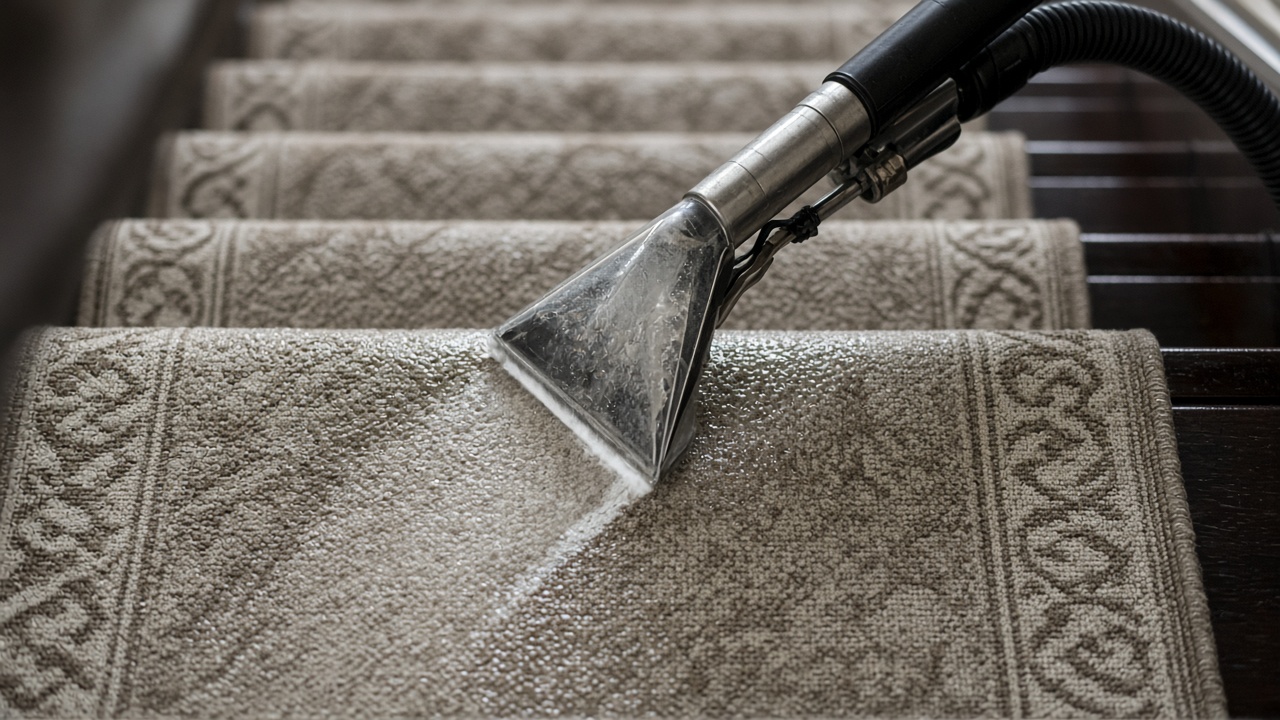
Hot water extraction—commonly called steam cleaning—starts with an alkaline pretreat that loosens soil, then agitation (wand, rake, or rotary tool), then a hot rinse and strong vacuum recovery. The goal is to leave fibres cleaner with minimal residue. Many carpet manufacturers prefer or require periodic hot water extraction for warranty maintenance. Keep invoices if you need proof later.
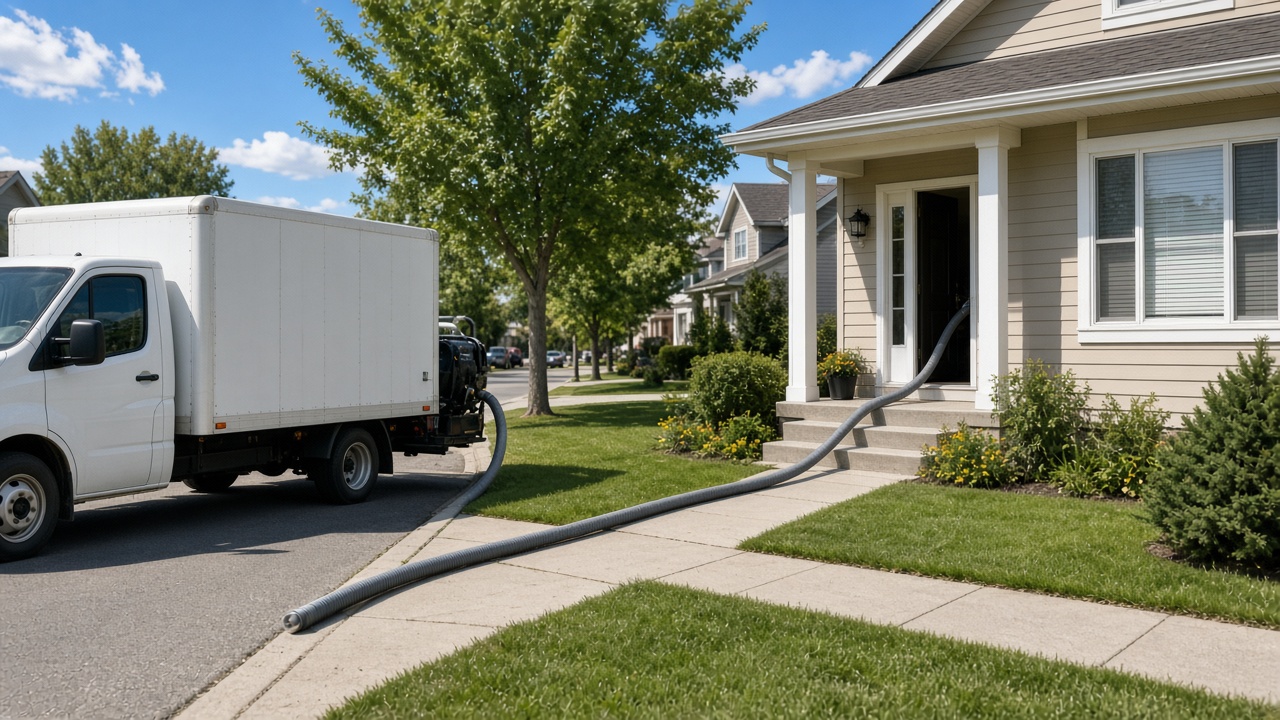
Truck-mounted systems dedicate a van with heat, pressure, and vacuum capacity that portable units struggle to match for large homes. Modern portables can still clean well in apartments and tight access jobs. Judge the operator’s chemistry, extraction thoroughness, and dry time—not only the truck decal.
When low-moisture or encapsulation fits
Encapsulation uses less water. Soil crystallizes and is vacuumed away after drying. Dry times are often a couple of hours, which helps busy households. The tradeoff: encapsulation alone is weak on urine, heavy oils, and deep liquid stains. Some Medicine Hat providers market low-moisture systems with about 80% less water than typical steam cleaning—useful when the carpet is dusty rather than soaked with accidents.
Ask which method they recommend for your soil. A hybrid approach—extraction on traffic lanes and pets, lighter methods on cleaner rooms—can be rational when explained in writing.
Dry times and wicking
Capable hot water extraction should typically dry in about two to six hours in many climates, and should not stay wet for days. Multi-day dampness usually means over-wetting or poor recovery. Fans and airflow help. Older carpets can release brown water for a long time because soil lives deep in fibre and pad; weak DIY machines may look productive while leaving moisture that wicked soil back to the tips as the carpet dries.
Stairs, halls, and open concepts
Stairs and hallways are often priced separately from rooms. Open living-dining areas may count as more than one “room” depending on square footage. Ask how the cleaner defines an area so package deals stay comparable. High-traffic stairs collect gravel grit faster in Medicine Hat winters—budget them into spring cleans.
Prep checklist before arrival
- Pick up toys, cords, and breakables from floors
- Confirm furniture-moving policy—some local cleaners ask you to clear items first
- Note pet accident zones and previous DIY chemistry used
- Secure pets during the visit
- Plan parking and hose access for truck-mount work
Pros often pre-vacuum for pet hair as needed. Tidying still speeds the job and improves results.
Pets, kids, and high-traffic homes
Homes with pets and children usually need cleaning more often than the twelve-to-eighteen-month baseline. Tell the estimator about chronic urine smells up front. Surface enzyme cleans and full pad remediation are different products with different prices. For dedicated urine guidance, see stain removal.
What changes a carpet cleaning quote
What changes a quote: room count and size, soil level, pet urine scope, stairs and hallways, protectors or deodorizers, furniture moving, travel, and any minimum visit charge. Ask for a written estimate that lists those inclusions.
How long should the visit take?
Technicians discussing a few rooms with proper pretreat and extract often estimate about two to three hours on site. Heavy urine work can take much longer. Ultra-fast whole-house visits that finish in under an hour frequently skip detail. Quality extraction is not a splash-and-dash.
What belongs in a written quote
- Method (HWE, low-moisture, or mix) and rooms/areas included
- Stairs, halls, and open-concept counting rules
- Pretreat, rinse, deodorizer, protector inclusions
- Pet or spot treatment pricing
- Furniture policy and any minimum charge
- Expected dry time and callback terms
Call (403) 999-9999 to walk through your rooms, pets, and timing, or request a quote with the form.
Manufacturer warranties and documentation
Many carpet makers recommend or require periodic hot water extraction. If your flooring is under warranty, ask the cleaner for a written description of the method used and keep the invoice with your home records. Low-moisture-only maintenance may not satisfy every warranty—verify before you rely on a cheaper method for compliance.
Protectors and aftercare
Carpet protectors can slow resoiling on traffic lanes but are not magic shields against urine or dye stains. Ask whether protector is included or optional, what chemistry is used, and how it affects spot cleaning later. After any clean, limit shoes until dry, blot spills promptly, and avoid heavy furniture on damp foam underlays.
Apartments, condos, and hose access
Truck-mount hoses need a path from the van to the unit. High-rises and long corridor runs may force portable equipment. Confirm elevator reservations, parking, and building rules when you book. Portable does not automatically mean weaker—capability varies—but access constraints should be planned, not discovered at the door.
Seasonal booking tips for Medicine Hat
Spring after street sweeping begins is a natural deep-clean window once the heaviest gravel dust has been cleared from roads. Pre-holiday cleans and pre-listing refreshes book up; call early if you have a hard date. Ask about current booking windows when you call.
Questions to ask on the phone
- Which method for my soil type, and why?
- What is included at the quoted price?
- How do you handle pet urine if odour remains?
- What dry time should I plan for?
- Do you move furniture, and is there a fee?
- Is there a minimum charge?
Write the answers down. Clarity before arrival prevents bait-and-switch frustration from vague lowball ads.
Comparing Medicine Hat cleaners without copying their claims
Dynamic emphasizes low-moisture drying and publishes FAQ honesty about urine limits and furniture moving. Diamond describes truck-mounted hot water extraction and warns that some drink dyes permanently stain. Palliser and Carpet Style earn praise in review aggregates for thoroughness and fair pricing. Use those public patterns as a checklist for questions—not as this brand’s credentials. Your job as a homeowner is to make scopes comparable and to reward clear communication.
If a quote refuses to explain method, dry time, or urine limitations, treat that opacity as a risk signal. The cheapest number is not automatically a trap, and the highest number is not automatically thorough—only the written scope tells you.
Glossary for the quote call
- Hot water extraction / steam — pretreat, hot rinse, vacuum recovery
- Encapsulation / VLM — low moisture; soil crystallizes for vacuuming
- Pretreat — chemistry applied before rinse to loosen soil
- Acid rinse / neutralizing rinse — helps balance pH after alkaline pretreat
- Protector — optional soil-retardant finish
- Wicking — stain reappearing as carpet dries from below
Speaking that vocabulary keeps the conversation concrete and shortens the path to a fair booking.
Carpet cleaning FAQs
How long do carpets take to dry after professional cleaning?
Proper hot water extraction should typically dry in about 2–6 hours in many climates (often under 24 hours); multi-day wetness usually means over-wetting. Low-moisture systems often dry in a couple of hours. Fans and airflow help. Ask what dry time to expect for your home.
Truck-mount vs portable — does it matter?
Capable modern portables can clean well; truck-mounts usually offer higher sustained heat and vacuum and signal a dedicated carpet operation. Judge by results, chemistry, and dry time — not logo alone.
Is encapsulation or low-moisture cleaning enough?
Encapsulation is fine for light soil and fast dry-downs, but it is weak on urine, heavy oils, and deep liquid stains — those need extraction. Ask which method fits your soil type.
Do I need to vacuum before the cleaner arrives?
Pros often pre-vacuum as needed, especially for pet hair. Tidying clutter still helps them work faster and quote accurately.
Why did I get two wildly different estimates?
Quotes often price different scopes — surface clean vs enzyme plus pad or sub-surface urine work. Ask whether pad treatment, UV inspection, or only top-fibre cleaning is included before comparing.
Why do carpet cleaning quotes differ so much?
Bids often price different scopes. Extremely low ads may omit pretreat or protectant; higher quotes may include urine pad work, stairs, or furniture moving. Compare written inclusions, not headline numbers alone.
Will brown water keep coming out of old carpet forever?
Older carpets can release discoloured water for a long time because soil lives deep in fibre and pad; weak DIY extractors may also cause wicking as the carpet dries. Pros with stronger extraction reduce that risk; worn carpet still won't look brand new.
Do manufacturers require hot water extraction for warranty?
Many carpet manufacturers recommend or require periodic hot water extraction to maintain warranties. Keep invoices if warranty proof matters.
Should cleaners use a pre-spray and acid rinse?
A common best practice is alkaline pre-spray for soil, then an anti-browning or acid rinse to help neutralize pH. Ask your technician what chemistry they use.
How long should the technician be in my home?
For a few rooms with proper pretreat and extract, about 2–3 hours is a common ballpark; heavy urine remediation can take much longer. Ultra-fast whole-house-in-45-minutes jobs often skip detail.