How upholstery soil builds differently from carpet
Body oils concentrate on armrests and headrests. Food soils hit seat cushions. Pet hair embeds in textured weaves. Unlike carpet, you cannot always hide a mistake under a chair—so method choice and testing matter more. A technician who skips the tag is gambling with your furniture.
Sectionals complicate access. Middle pieces may need to be separated. Ask whether the quote includes moving modular sections and whether connectors will be reattached. Large L-shapes can take as long as a small room of carpet—ask how sectionals are quoted.
Colourfastness and ring prevention
Rings form when cleaning stops mid-panel or when residue dries unevenly. Working seam to seam and using balanced rinse chemistry reduces that risk. On delicate fabrics, less moisture applied more carefully beats aggressive soaking. If a ring appears during drying, contact the cleaner promptly—early correction is easier than later.
Outdoor cushions and patio sets
Solution-dyed acrylic outdoor fabrics often tolerate more aggressive cleaning than indoor linen blends, but foam cores still need thorough drying to prevent mildew—especially after Medicine Hat thunderstorms. Confirm whether outdoor pieces are in scope; some carpet cleaners exclude them.
Matching cleaners to lifestyle fabrics
Performance fabrics marketed as stain-resistant still need correct chemistry. Some protectors interfere with certain spotters. Bring product names if you know them. Families with toddlers may prioritize durable cleans over dry-clean-only showpieces—choose furniture accordingly next time you buy, and clean what you have with respect for its code today.
Coordination with carpet day
When carpets and upholstery are cleaned together, confirm sequencing, total time on site, and whether one technician or a team arrives. Combined visits are popular in Medicine Hat for vintage couches plus rugs—plan drying space for both soft surfaces so you are not living around a maze of wet foam and damp carpet overnight.
Upholstery cleaning for Medicine Hat homes
Sofas, sectionals, and chairs hold body oils, dust, pet hair, and food spills in ways carpet does not. Medicine Hat residents have specifically asked on Reddit for help with vintage couches and rugs in the same booking. This page covers fabric cleaning codes, dry times, combined visits, and what to share when you request a quote.
Read the cleaning code before anyone sprays
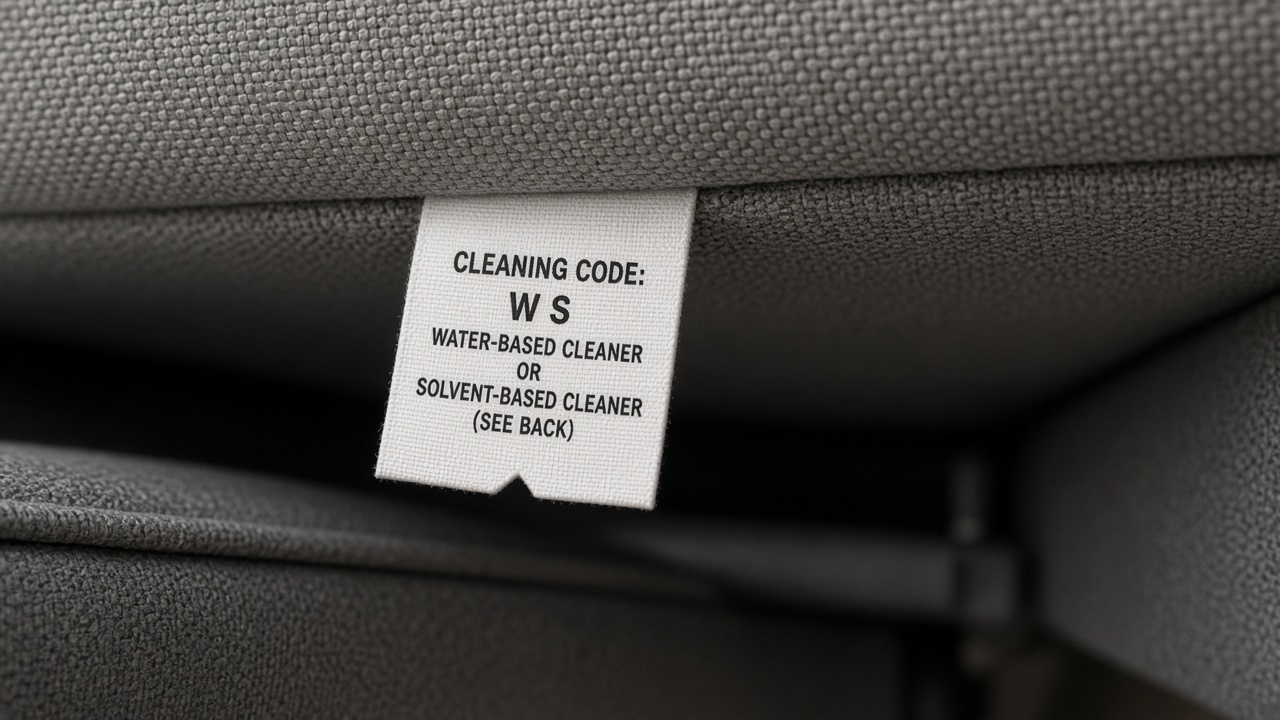
Most furniture tags list a code under a cushion or on the frame:
- W — water-based cleaners OK
- S — solvent / dry-clean chemistry only
- WS or S/W — either approach may work
- X — vacuum or brush only; no liquids
Ignoring codes causes rings, shrinkage, colour loss, and texture change. If the tag is missing, insist on an inconspicuous test and a conservative method.
What “dry-clean only” really means
It means no water—not “impossible to clean.” Professionals use solvents that evaporate, or carefully tested low-moisture approaches. Cotton, linen, and viscose blends are prone to watermarks. Multiple light passes with drying between them beat one soaked cleaning. Test first; clean panel to panel to reduce rings.
Where the dirt goes
If you spray and scrub without blotting into a cloth or extracting, soil can move deeper while the surface looks temporarily better. After solvent or water work dries, vacuum with an upholstery tool to lift remaining residue. Professional extraction pairs chemistry with recovery so you are not just redistributing soil.
Dry times: fabric dry is not furniture dry
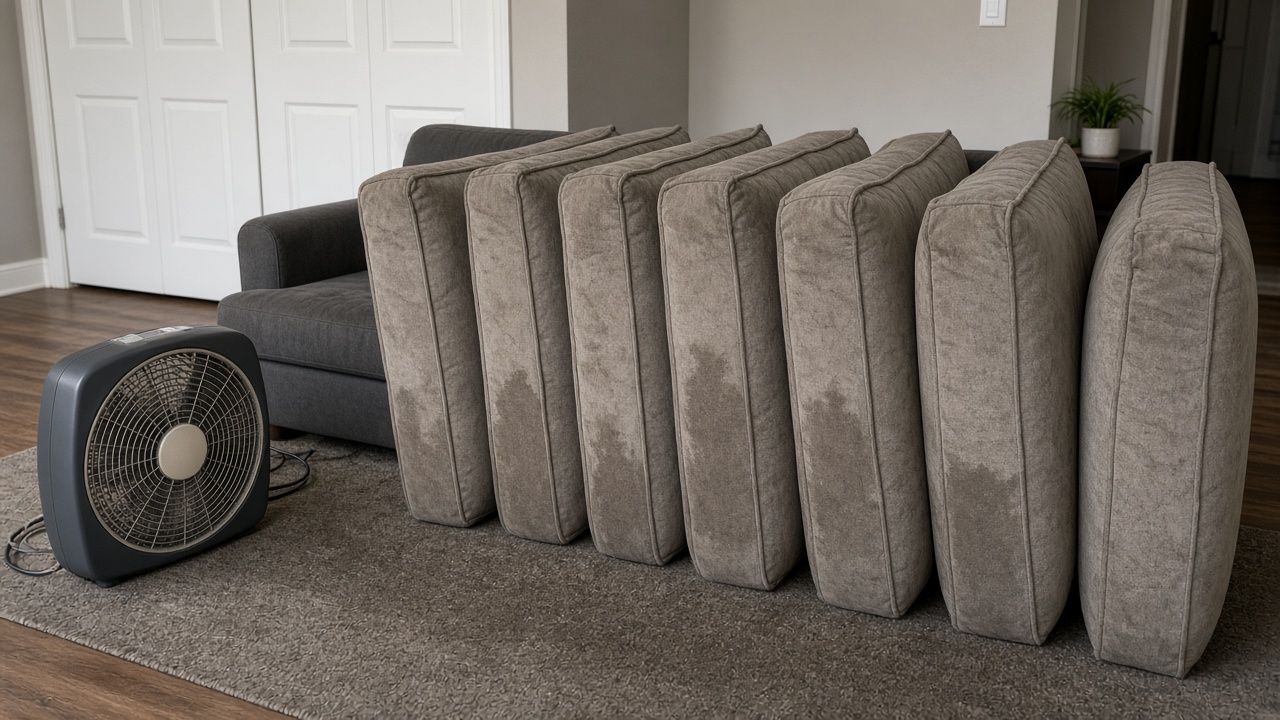
Thin fabrics may feel dry in roughly two to four hours after extraction. Foam and cushion cores can stay cool and damp for twenty-four to thirty-six hours. Stand removable cushions on edge, run fans across and under pieces, keep the room warm, and avoid sitting until cores feel dry. Covering damp furniture with blankets slows drying and can trap odour.
Combined carpet and upholstery visits
Locals report successful combined cleans of carpets, sectionals, and large chairs. Bundling can be efficient. Confirm per-piece scope, fabric limits, and whether rugs leave the home the same day. See also carpet cleaning and area rug cleaning.
What changes an upholstery quote
Sofa quotes depend on size, fabric code, soil level, and whether pretreat, protectant, or odour treatment is included.
DIY rental machines on sofas
Rental extractors are risky on S-code and natural-fibre blends. Over-wetting foam creates musty odours that are harder to fix than the original soil. When the tag says dry-clean only—or you cannot find a tag—hire someone who tests first.
What to send before a quote
- Descriptions of each piece and any fabric tags
- Fibre content if known
- Pet status and problem spots
- Whether carpets or rugs should be cleaned the same visit
Call (403) 999-9999 to discuss vintage pieces, sectionals, and scheduling.
Microfibre, leather, and specialty covers
Microfibre often carries W or WS codes and responds to careful water-based cleaning when extraction is controlled. Leather and bonded leather need different products entirely—do not assume a carpet wand belongs on leather. Slipcovers that are machine-washable should be washed per label rather than force-extracted on the frame. When in doubt, photograph the tag and ask before booking.
Odours in upholstery
Smoke, pet, and spill odours can live in foam. Surface fragrance will not fix saturated cushions. Enzyme chemistry helps some organic odours; severe cases may need cushion replacement. Be honest about smoking history and pet habits so the technician scopes correctly.
Kids’ furniture and high chairs nearby
Food soils and juice dyes behave like carpet tannin stains. Pretreat promptly and keep sticky residues from attracting more dirt. After cleaning, wait until cores are dry before children climb back on—damp foam plus kid traffic is a recipe for rapid resoiling.
Scheduling around your life
Plan a cleaning day when pieces can dry undisturbed. Move breakables from sofa tables, clear under cushions, and vacuum loose debris first if you want to save technician time. If carpets are cleaned the same day, sequence matters: often upholstery after floors so hose traffic does not dirty fresh fabric—confirm the crew’s preferred order.
When upholstery cleaning is not enough
Torn seams, collapsed foam, and failing frames are repair or replacement issues. Cleaning will not restore structural comfort. A good technician will say so rather than take money for a cosmetic pass on a failing piece.
Medicine Hat booking scenarios we hear often
Vintage couch plus two chairs before hosting family. Sectional that survived pets and needs a reset before summer. Dining chairs with years of meal soil. In each case, gather tags, photos, and a decision about whether carpets and rugs join the visit. Minimum charges make bundling attractive when you were already planning a carpet day.
If you are between homes or staging to sell, prioritize visible living-room pieces buyers will sit on. Cleaning will not replace worn fabric, but removing soil and odour helps photos and showings. Pair with homepage guidance on local dust so floors and soft furnishings tell the same clean story.
What “gentle yet deep” should mean
Marketing phrases are empty unless tied to tests, controlled moisture, and extraction. Ask how the technician decides pressure, temperature, and solvent vs water. Ask what happens if a test area reacts badly. A professional answer is specific; a shrug is not.
Aftercare for cleaned upholstery
Keep pets off until dry. Use arm covers if oils rebuild quickly. Vacuum with a brush attachment once fully dry. Blot future spills—do not scrub. Schedule maintenance before soil becomes permanent staining.
Limits of this service page
We do not claim leather restoration, reupholstery, or frame repair. Those trades matter when foam is collapsed or fabric is torn. Cleaning is one tool. Knowing when to stop prevents wasted spend.
Extended process walkthrough
A careful upholstery visit usually starts with a walkthrough and tag check. The technician notes fibre type, soil pattern, and risk areas such as skirts, welting, and contrasting piping. A hidden test patch comes next. Only after the test dries without bleeding or texture damage should full cleaning proceed.
Dry soil is vacuumed first. Pretreat is applied to soiled zones with appropriate dwell time. Agitation may be a soft brush or towel work depending on fabric. Extraction or solvent wiping follows. Grooming the pile while damp helps appearance on textured weaves. Fans finish the job. You should leave with clear aftercare instructions—not just a receipt.
If the technician discovers problems mid-job—loose welting, prior dye damage, or a code that conflicts with what was booked—pause and revise scope. Paying for unfinished work that risks the piece is worse than rescheduling with a better method.
Time and scope expectations
Oversized sectionals, delicate S-code pieces, and heavy pet soil push quotes higher than a single armchair. Oversized sectionals, delicate S-code pieces, and heavy pet soil push higher. Time on site for a single sofa may be under an hour; a full living-room soft-furnishing package can run much longer when drying logistics are included. Ask for a time window so you can plan to be home for walkthrough and final inspection.
Trust signals that actually matter
Look for clear communication, written scope, willingness to test, and honest refusal when a fabric should not be wet-cleaned. Star ratings help but can be thin locally. Medicine Hat Reddit recommendations for upholstery often emphasize availability and competitive pricing alongside competence—ask for both.
One more note on expectations
Upholstery cleaning improves appearance and hygiene within fabric limits. It will not erase sun fade, repair broken springs, or turn a ten-year microfibre sectional into a showroom piece. Clear expectations make satisfied customers. Call (403) 999-9999 when you are ready to book a fabric-safe visit in Medicine Hat.
Bring questions about codes, dry times, and combined carpet visits to the call—those three topics prevent most booking regrets.
Upholstery cleaning FAQs
Who cleans vintage couches in Medicine Hat?
Residents have asked for professionals for vintage couches and rugs; replies pointed to local upholstery and carpet cleaners rather than DIY only. Share fibre content and photos when booking.
What do the W / S / WS / X codes on my sofa mean?
W means water-based cleaners are OK; S means solvent or dry clean only; WS means either; X means vacuum only — no liquids. Ignoring codes can cause rings, shrinkage, or colour loss.
How do you actually clean dry-clean-only upholstery?
Dry clean means no water — professionals use solvents that evaporate, or carefully tested low-moisture approaches. Test inconspicuous areas; minimize moisture; clean panel-to-panel to avoid watermarks.
If I spray cleaner and scrub a microfibre couch, where does the dirt go?
Dirt should transfer into your cloth as you blot; after drying, vacuum with an upholstery tool. Scrubbing without extraction can push soil deeper or leave residue.
Why is my sofa still damp inside after the fabric feels dry?
Fabric dries before foam and padding; internal moisture can linger 24–36 hours after extraction. Stand cushions on edge, run fans, keep the room warm, and avoid sitting until cores feel dry.
How long should upholstery take to dry?
Surface dry often in roughly 2–4 hours for thin fabrics after extraction; encapsulation methods differ. Thick cushions take longer.
Can professionals clean sectionals and large chairs in one visit with carpets?
Yes — locals report combined carpet, sectional, and chair cleans. Confirm pricing per piece and fabric limitations.
Will water stain my cotton, linen, or viscose sofa?
It can — those fibres are prone to watermarks and texture change. Professionals test first and may prefer solvents or multiple light passes over one wet clean.
How much does sofa or upholstery cleaning cost?
Sofa quotes depend on size, fabric code, soil level, and whether protectant or odour treatment is included. Ask for a written quote that lists fabric type, pieces, and inclusions.
Is a rental-machine DIY safe on upholstery?
Risky on S-code and natural-fibre blends; over-wetting foam causes odour. When in doubt, hire a cleaner who reads the tag and tests first.